

AGC Recommendations for the 2026 Water Resources Development Act
As Congress begins the reauthorization of the Water Resources Development Act (WRDA), AGC of America urges lawmakers to include the below priorities and pass a bill that provides critical funding for our nation’s water resources infrastructure. These types of investments enjoy broad bipartisan support and ensure the United States’ ability to engage in the robust economic activity that sustains and supports Americans working in all sectors of the U.S. economy.
AGC commends the House and Senate for passing WRDA 2024, the sixth consecutive bill since 2014 that has helped address our nation’s aging system of inland waterways, coastal harbors and ports, locks and dams, and flood control protections, while maintaining a commitment to restore critical environmental areas. AGC urges the House and Senate to continue the biennial process and to not include controversial policies that could jeopardize broad bipartisan support for addressing local water needs.

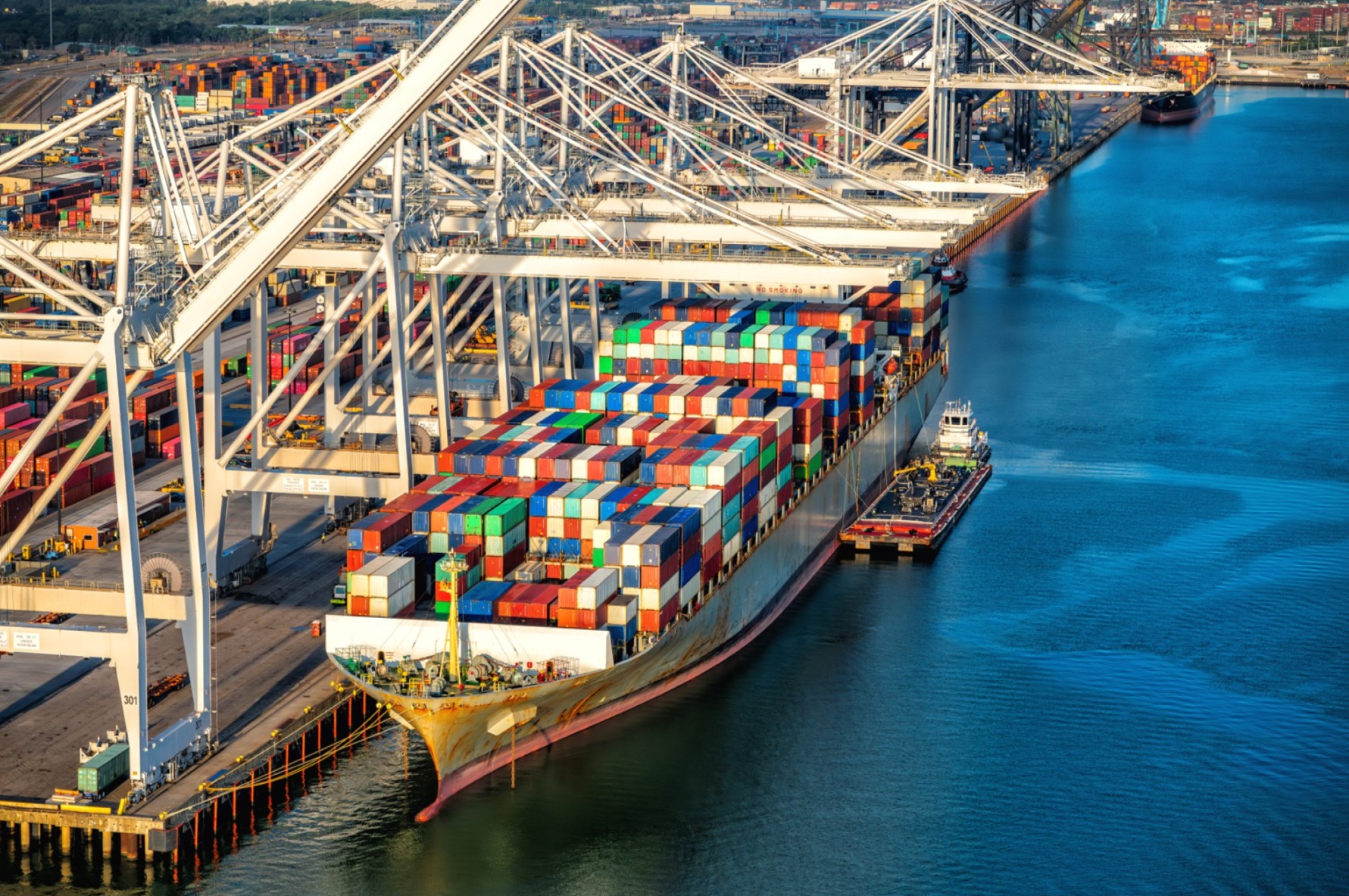
The U.S. Army Corps of Engineers (USACE) has a backlog of construction projects that exceeds $100 billion. Congress should keep the USACE focused on the backlog of construction projects and resist efforts to expand the scope of their mission. These projects will make improvements to our harbors and inland waterways which will help ensure construction materials make it to the job site in a timely manner.
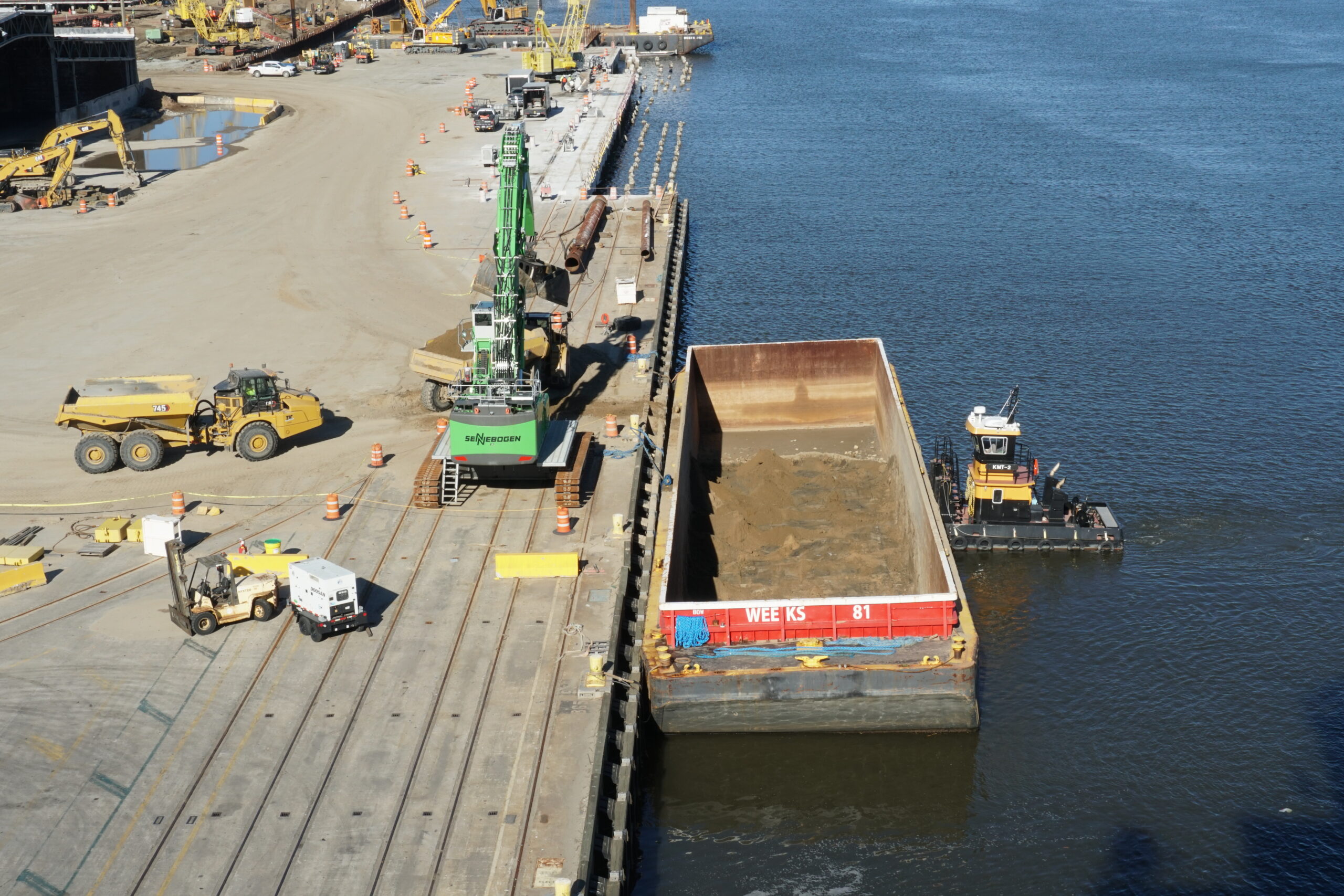
Construction materials largely remain at high prices, and contractors still face long lead times for certain materials. Private sector construction projects face pressure to streamline the purchase of materials and increase their availability as an industry-wide best practice, and Congress should adhere to these practices and avoid expanding domestic manufacturing requirements that could cause price surges or project delays due to limited product availability. Congress should avoid policies that would further limit the availability of construction materials used in water resources projects.
Congress should preserve flexibility for project sponsors to select workforce strategies that reflect local labor conditions and project needs, rather than imposing one-size-fits-all federal mandates. WRDA should avoid requiring project labor agreements, local hire requirements, or registered apprenticeship targets as universal conditions for water resources projects as this would limit the ability of construction workers and firms to fill needed position and potentially cause delays in project delivery.

The nation’s water resources infrastructure must be able to withstand disasters like flooding events and hurricanes. The $14 billion in flood mitigation projects in New Orleans following Hurricane Katrina worked, as the city fared better than other areas in the state of Louisiana when Hurricane Ida made landfall. A coordinated, national strategy with additional funding is necessary to mitigate the damage caused by disasters before they occur. However, this strategy must avoid burdensome, inflexible programs and policies so nonfederal partners can address their unique needs.
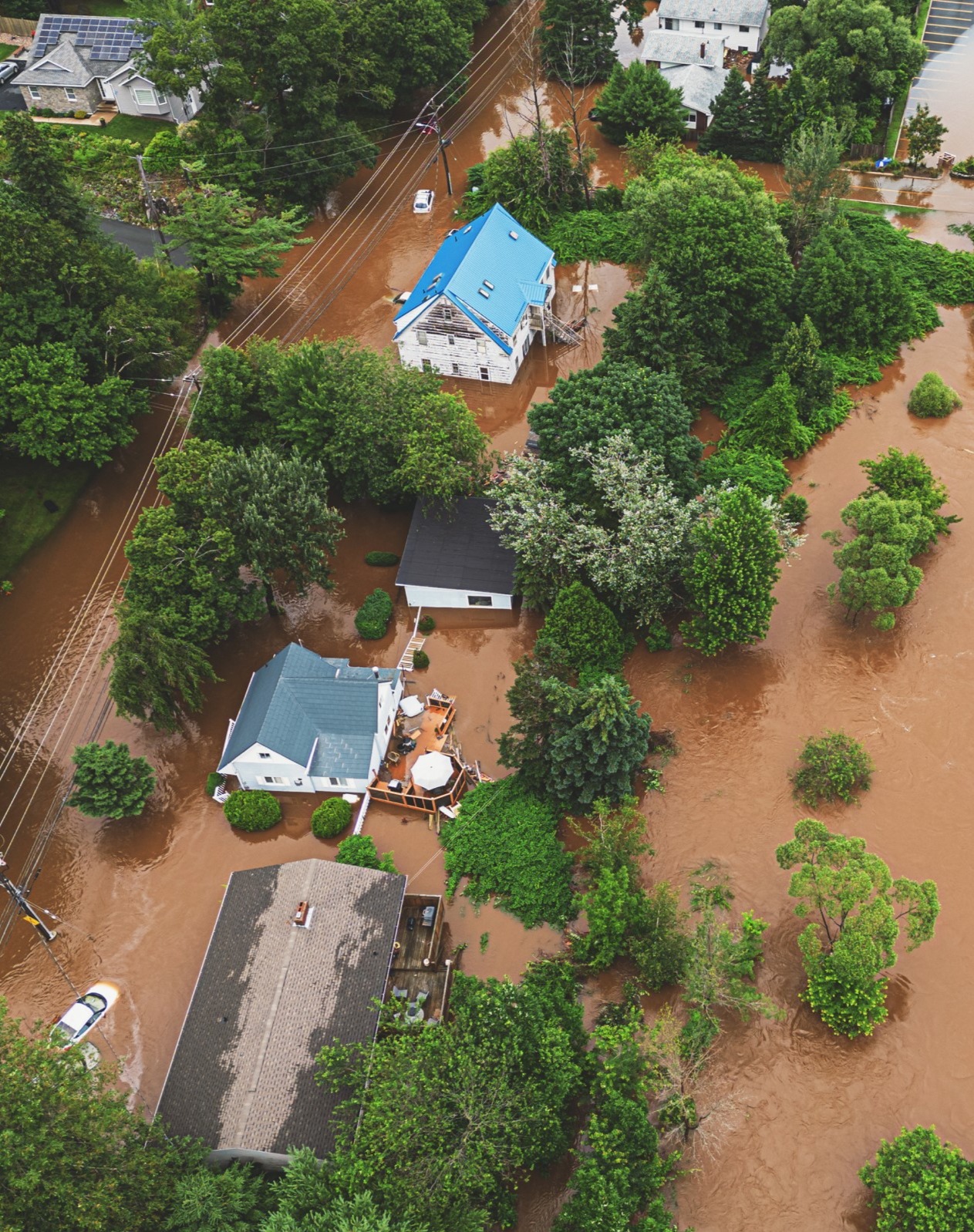
Congress should allow reimbursement of the federal share of rehabilitation expenses to nonfederal sponsors. Flood rehabilitation projects can be delayed for years while obtaining USACE approval and supplemental appropriations before repairs can be made. If a nonfederal sponsor seeks to initiate the repairs themselves, they should not need additional permits – mirroring the process when USACE initiates repairs.
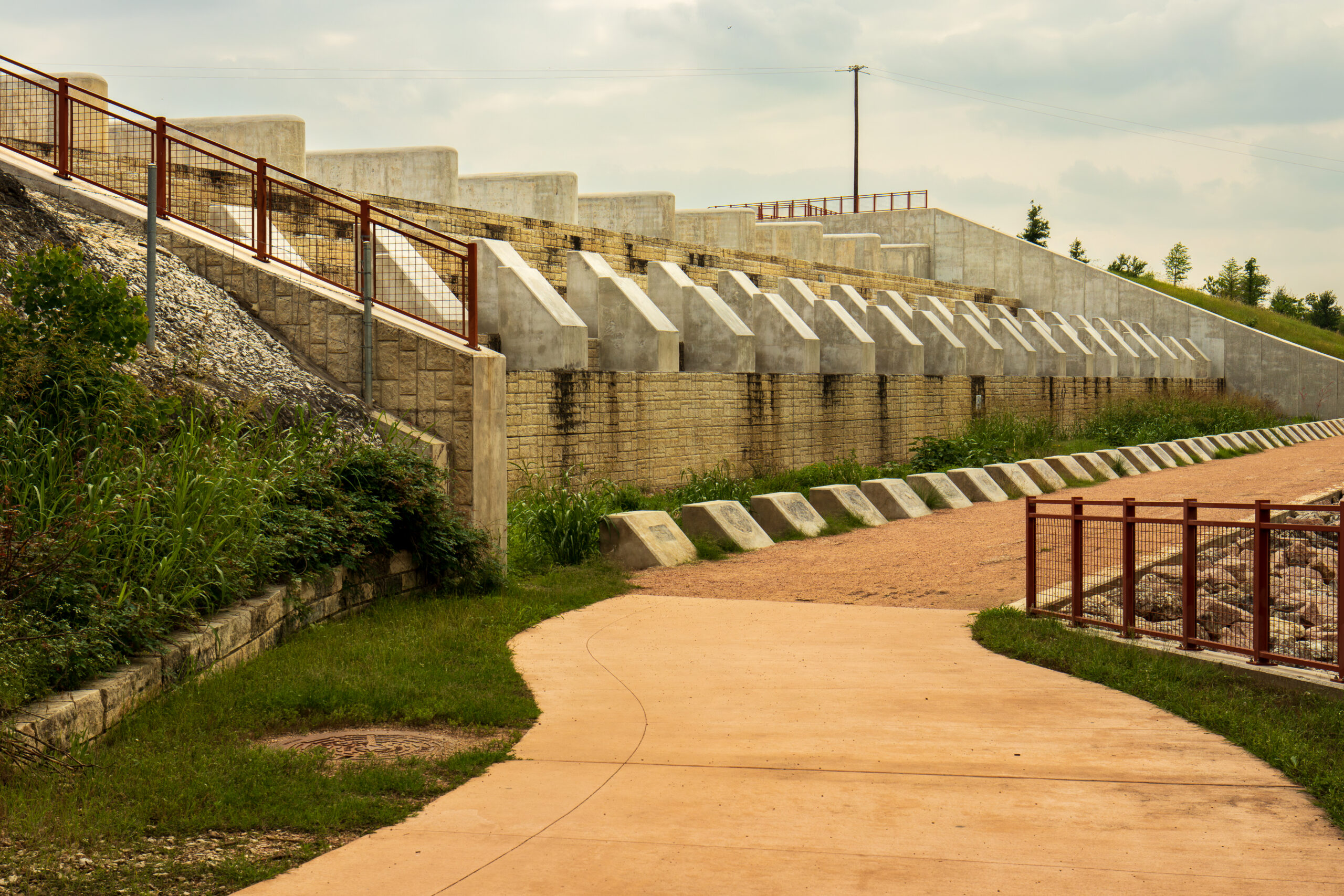
Congress should support the establishment of a Coastal Storm Risk Management Trust Fund within WRDA, ensuring the construction, maintenance, repair and rehabilitation of our coastal storm risk management projects continues with a steady stream of revenue.
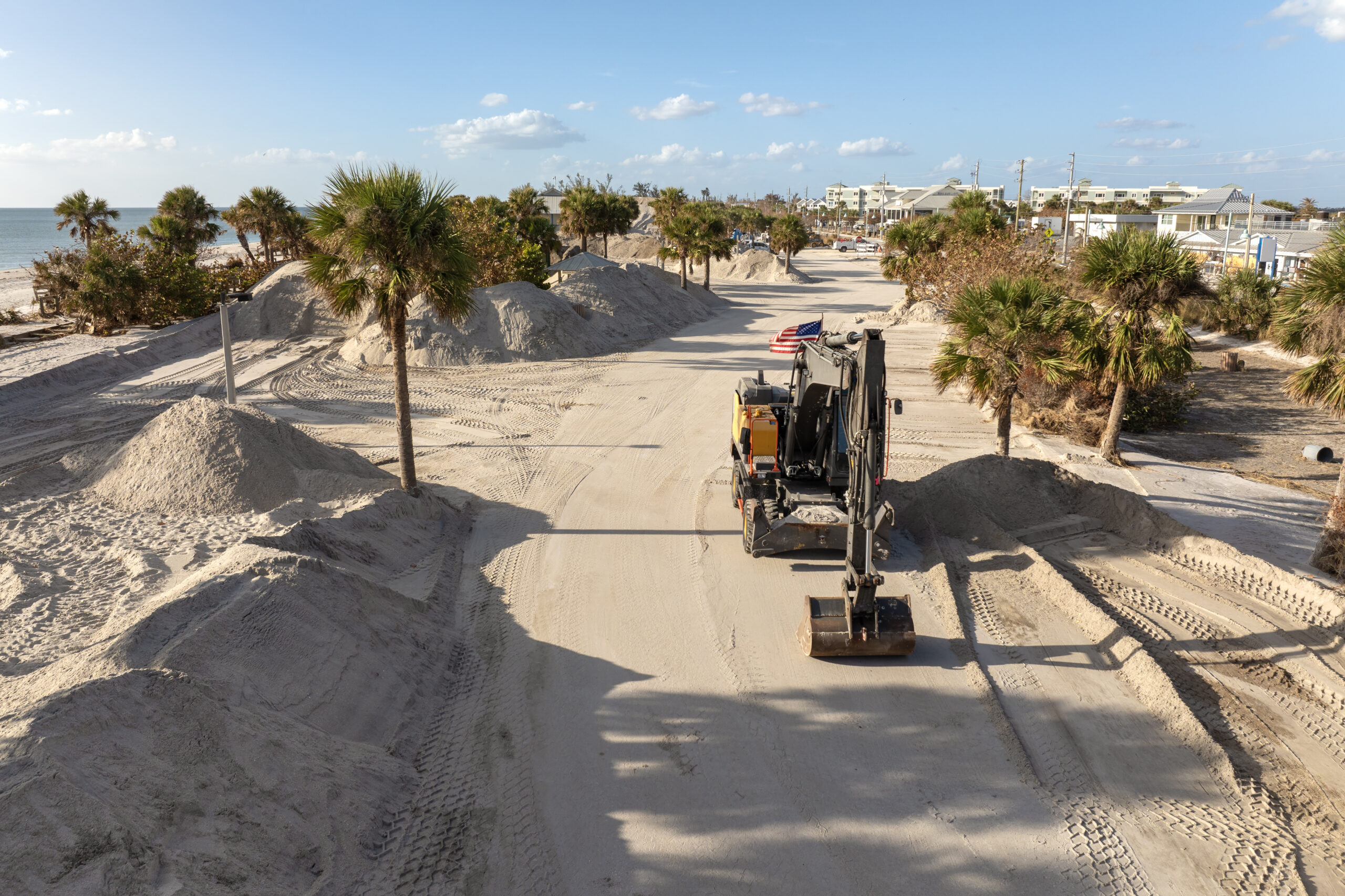
USACE should contract construction work with the private sector to the greatest degree possible. For example, the addition of new USACE-owned and operated dredges is an inefficient and unnecessary use of taxpayers’ dollars and doesn’t drive down the costs of projects. Additionally, permitting USACE to purchase its own dredges puts USACE in direct competition with the construction industry, hurting private sector competition. There is more than sufficient capacity in the private sector to meet our nation’s dredging needs safely and efficiently. In 2017 the private sector dredge fleet increased by 34%, while a 2024 study found that federal contracting to the private sector for dredging activities saved an average of 25% per project. The USACE should use the private sector when setting out to conduct dredging activities.

AGC’s Recommendations for the 2026 Water Resources Development Act are available for download.