

December 2, 2025
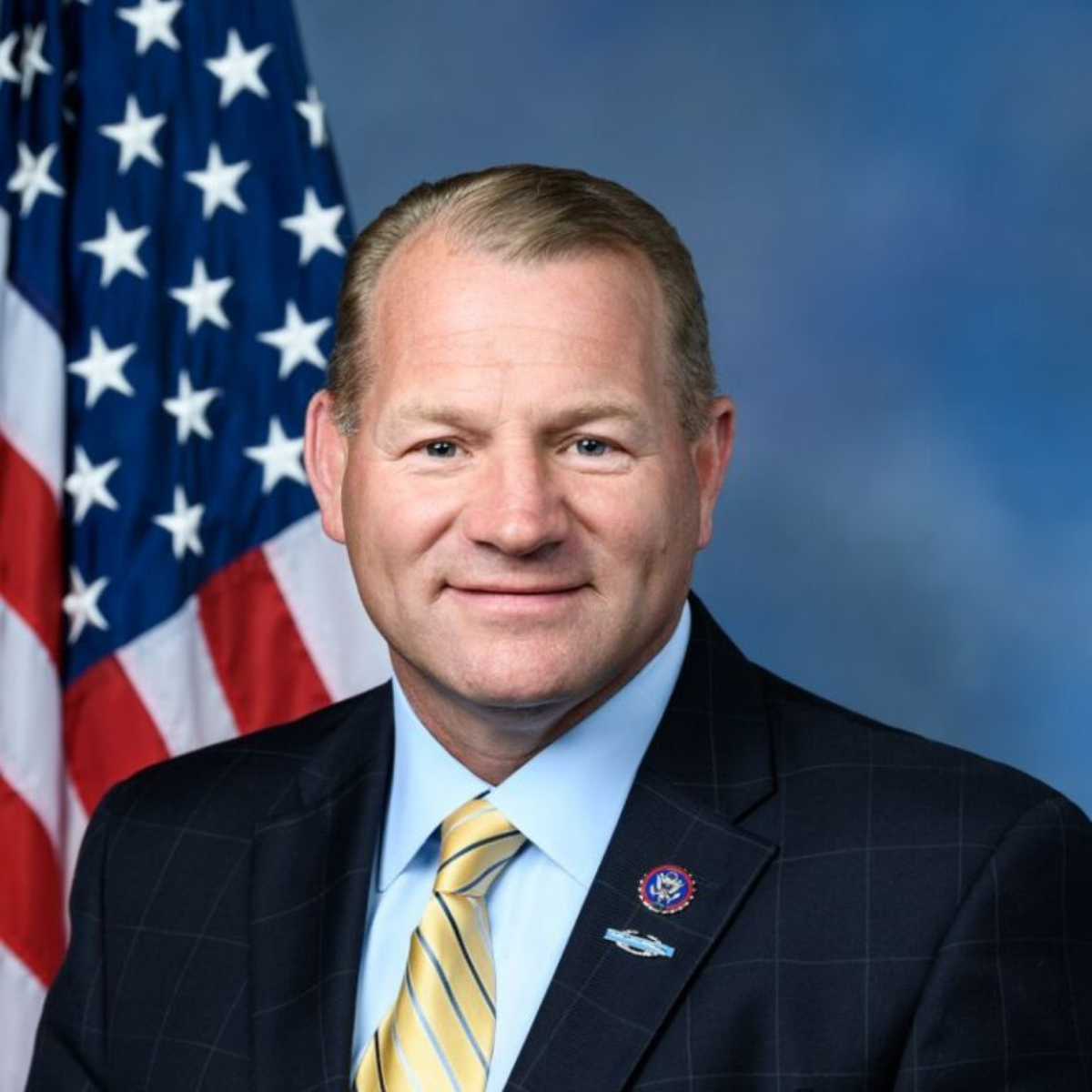
After what will be only three terms in Congress, Texas U.S. Rep. Troy Nehls (R-Richmond) surprisingly announced over the weekend that he will not seek re-election next year.
Though Mr. Nehls is under a House Ethics Committee investigation under allegations that he used some of his campaign money for personal gain, there was unsurprisingly no mention of that situation in his retirement announcement. Now that Rep. Nehls has indicated he won’t seek re-election, it is possible the probe will be dropped.
With Rep. Nehls’ 22nd district now coming open, a total of ten Texas U.S. House districts will have no incumbent for the 2026 election, assuming the 2025 map remains in place. As you will remember, a three-judge federal panel, on a 2-1 vote, declared the new map a racial gerrymander. Immediately, however, Supreme Court Justice Samuel Alito, administrator for the 5th Circuit Court of Appeals where Texas lies, placed a temporary stay on the lower court ruling.
It is unclear what further action the high court will take, but the odds are strong that the 2025 map will be in place at the Texas candidate filing deadline, which is December 8.
Under the new map, the 22nd remains a Republican district. The 2025 draw encompasses parts of the CD’s traditional three counties, Brazoria, Ft. Bend, and Harris. According to the newly calculated partisan lean from Dave’s Redistricting App, the district yields a reliable Republican calculation of 60.0R – 38.0D. The partisan lean tracks with President Donald Trump’s 2024 performance as he carried the district over Kamala Harris with a 59-39% margin.
Immediately upon the Nehls’ retirement announcement becoming public, the Congressman’s twin brother, former County Constable and retired U.S. Army Colonel Trever Nehls, announced his candidacy.
Prior to winning election to Congress in 2020, Rep. Nehls served for eight years as the Ft. Bend County Sheriff. Before earning the Sheriff’s position in 2012, Mr. Nehls was himself one of four Ft. Bend County Constables, a position he held from 2004 to 2012.
An interesting phenomenon has unfolded among the Texas open seats. Of the ten districts where no incumbent is running, assuming the 2025 map receives favorable action from the Supreme Court, a total of six of the districts feature no state legislator and few local officials venturing forth to become a congressional candidate. The number does not include what might happen with a developing open TX-22 field.
Some Texas observers believe this unusual situation is because many legislators believe they can accomplish more remaining in the state House or Senate rather than as a freshman U.S. Representative in a tightly divided chamber within a highly partisan atmosphere. Regardless of the reason, we will see a large number of freshmen Texas U.S. House members coming to Washington at the beginning of 2027 with very little legislative experience.
Nationally, the Nehls retirement decision brings to 47 the number of open seats headed to the next election. Tomorrow, the open seat race in Tennessee will be decided, thus reducing the open seat contingent to 46. Of that latter group, 24 of the open seats are currently Republican held and 17 Democratic, with five new seats created from the 2025 redistricting maps in California and Texas.
Of the 46 open seats after tomorrow, 14 of the departing members are running for governor of their respective states, 13 are retiring from elective politics, 11 are announced U.S. Senate candidates, five new districts were created in redistricting including forcing two California incumbents to seek election in different districts, and one seat each from a member who is running for another office (Texas attorney general), resigned (Rep. Marjorie Taylor Greene; R-GA) and passed away (Rep. Sylvester Turner; D-TX).